LinkedIn AI Content Is Getting Out Of Hand
Have you noticed that most viral LinkedIn posts are generated by AI?
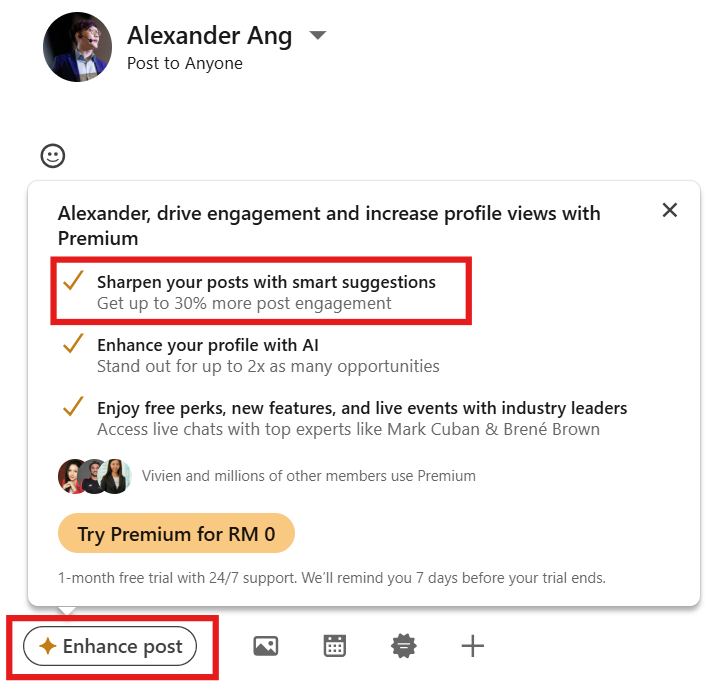
It's even easier to do it if you're a premium member.
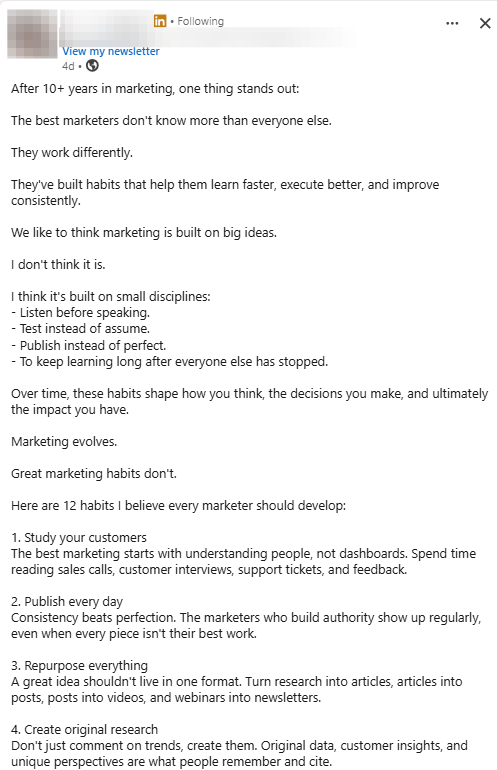
Here's an example of the post below;
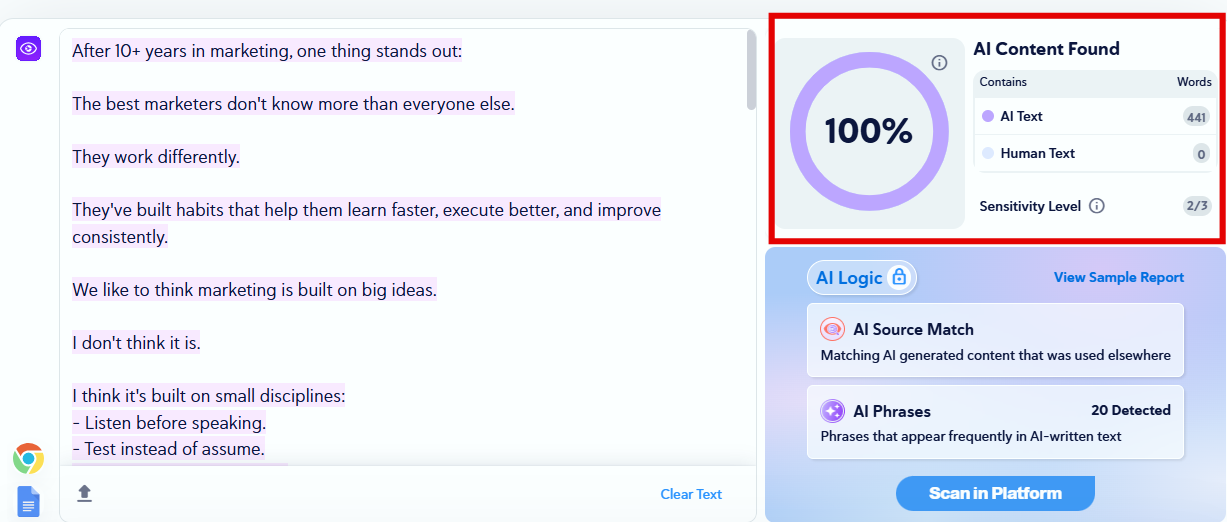
I decided to use Copyleaks AI Detector (one of the most accurate AI detection tools) to test it out, and it turned out to be 100% likely to have been generated by AI.
This post has at least over 1,500 of the total engagements (likes, comments, reposts), as shown below:

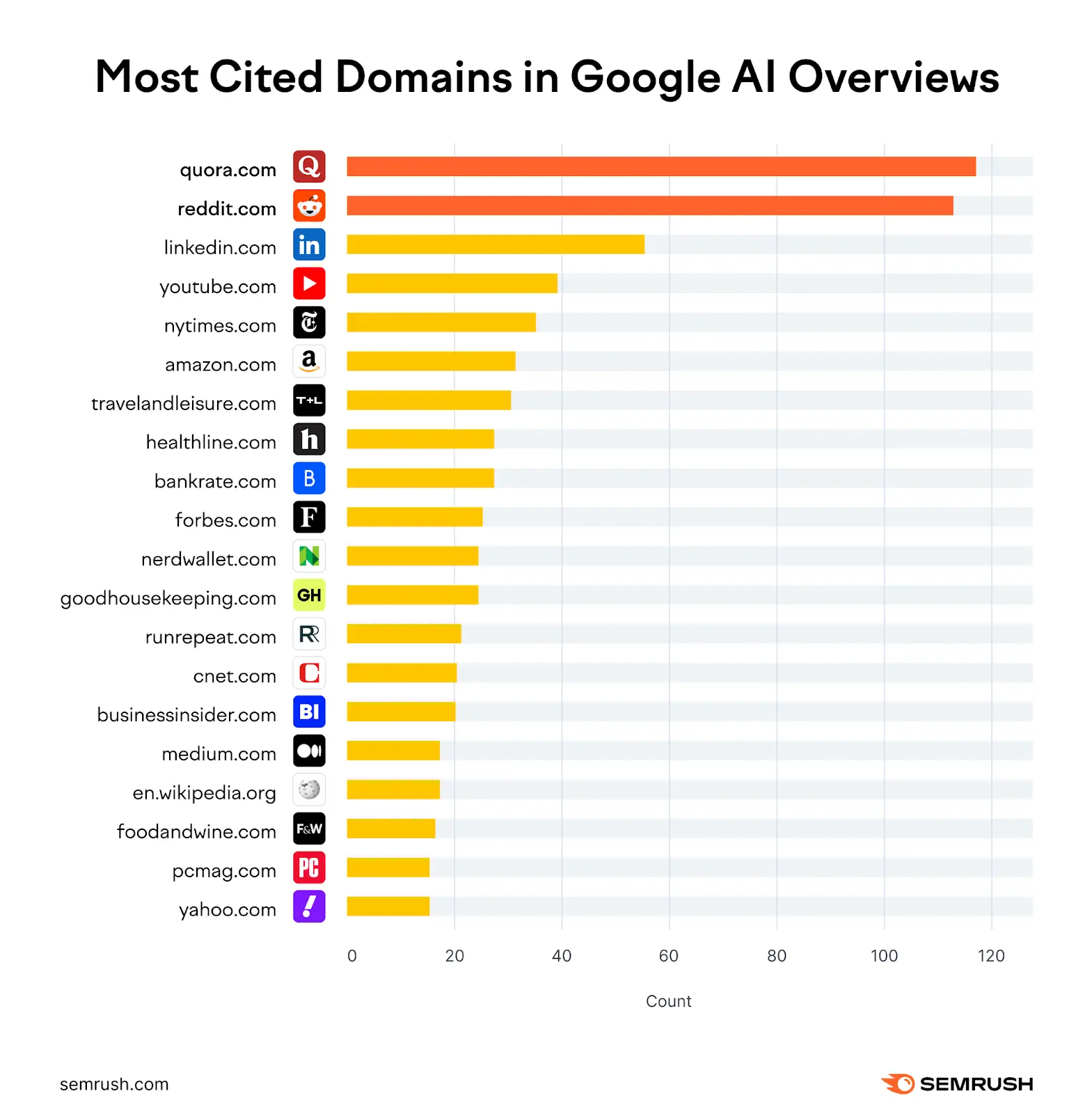
LinkedIn has always been one of the most cited domains by Google overviews according to Semrush AI Search Traffic Study
And the screenshot above is just one of the many.
Can You Still Believe The Expert's Advice?
Many professional uses LinkedIn as a channel to build and establish authority.
But what we're seeing now is that most of their content are being AI-polished or generated by AI.
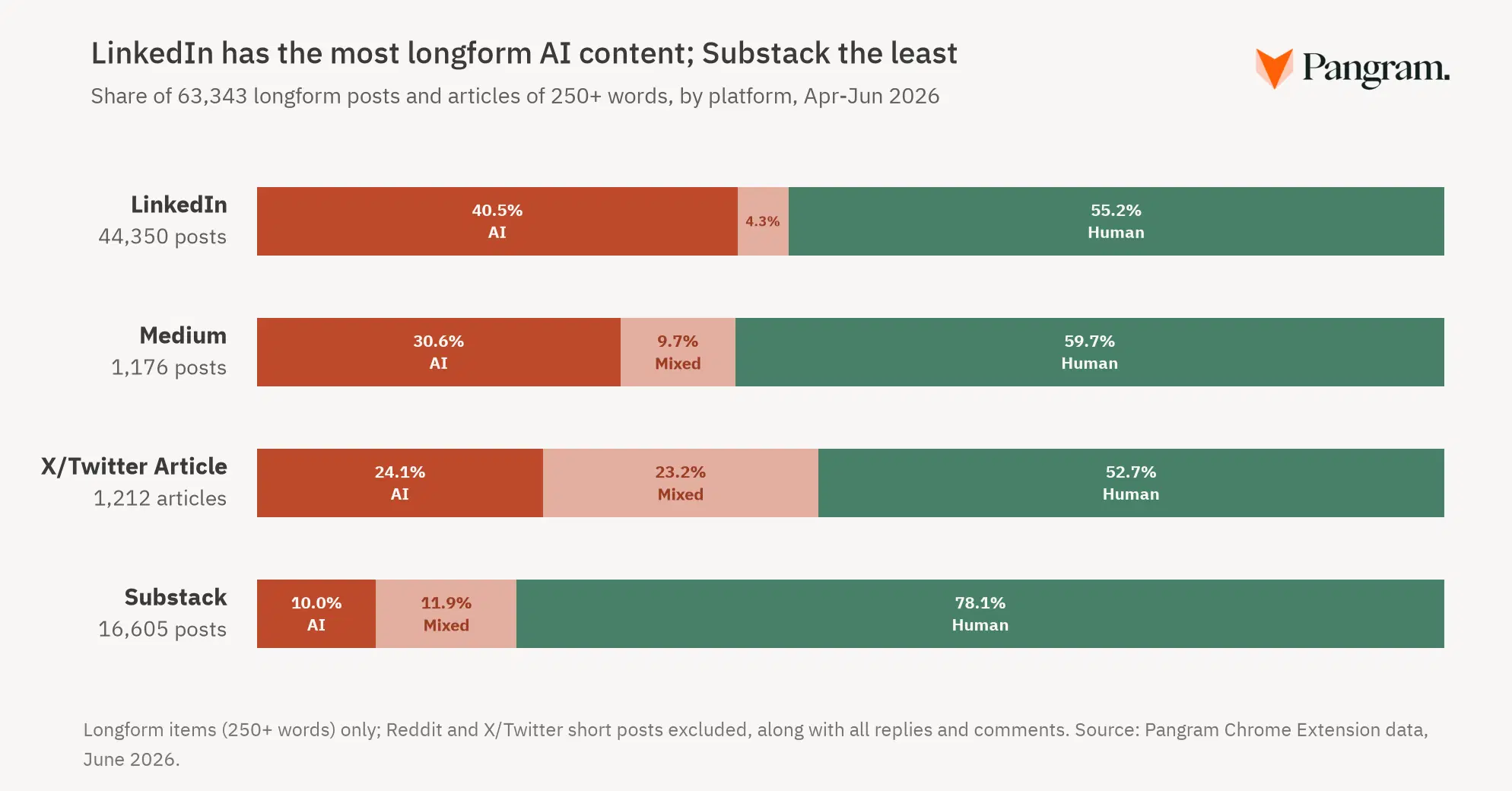
According to Pangram research, LinkedIn also has the highest long-form AI-generated content among other social media.
Most of us going to LinkedIn is because we wanted to hear from real people (the expert) to share their work, insights and perspective.
AI-Generated Content Erode Trust & Credibility
Before you plan on using AI to generate and publish content online, ask yourself:
Would you trust the Brands more or less if you knew that their content is 100% AI?
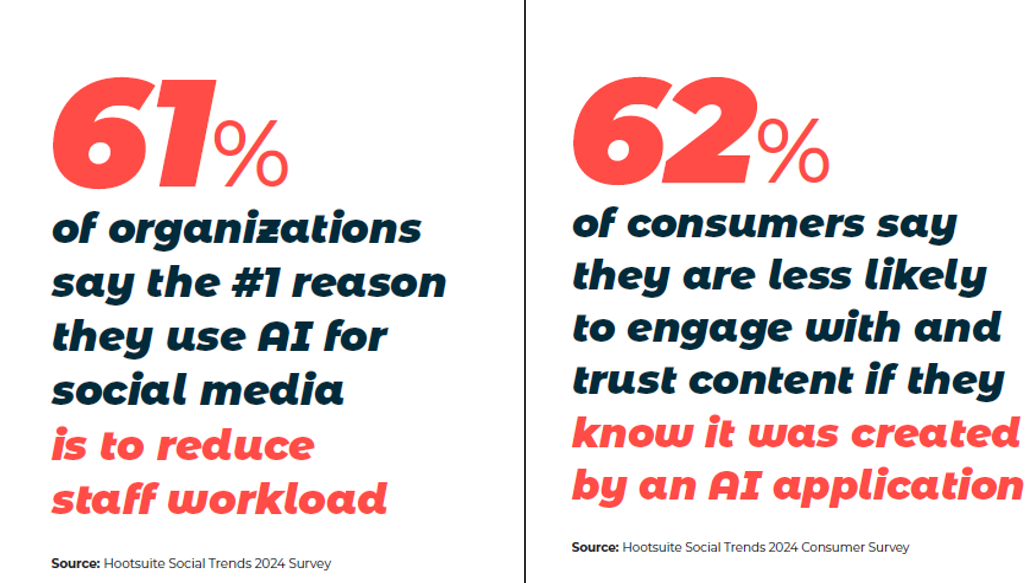
Customers and the community want to feel belong, be supported, and to hear from your unique experience, not AI.
My Content Is 100% Human, Assisted By AI
Until today, whenever I write or conduct a workshop, I insist of using my very own perspective, with real practical examples as my case studies.
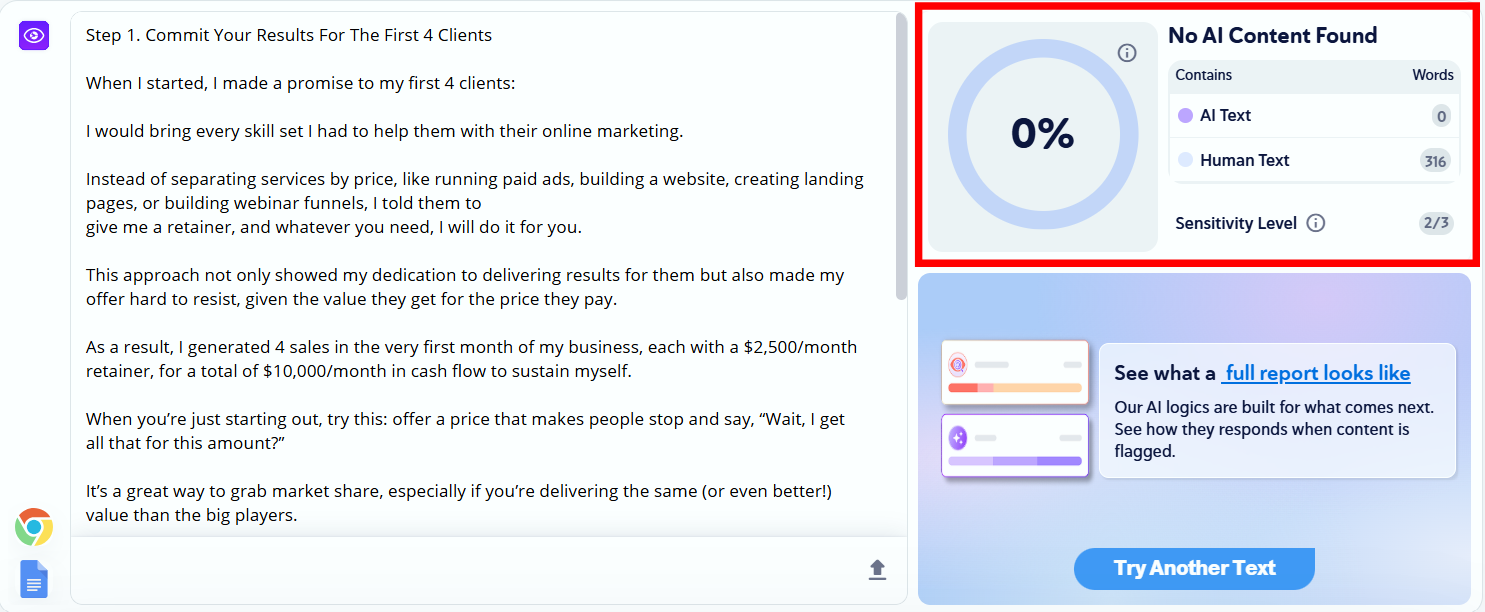
I only use AI to speed up the process of ideation, grammar, and plagiarism checking.
I use Grammarly pro account to help check all write-ups, including grammar, suggestions, sentence structure of the sentences, proofreading, and many more.
Would that slow down my progress? Maybe.
But I'm more concerned with sharing my authentic experience of my work journey, rather than showing only the surface to my readers.
3 Lessons Of Integrating AI and Human Into Content Creation
Lesson 1: Use AI for Efficiency and Human for Authenticity
If everyone else is using AI, then everything will sound like everyone else or AI-ish eventually.
Have the habit of doing it yourself first, with AI-assisted tools such as ChatGPT, Gemini, or Claude, and then adding in your own creativity at work.
AI is powerful, but maximizing it requires both your own creativity and clarity.
Lesson 2: Human Content Is The New Luxury
Human premium will become more expensive in the future. Authenticity and uniqueness are something that AI can't generate or have.
Focus on using Google's E-EAT formula to help boost your authority, ranking, and mentions across all online platforms. Here's what it means:
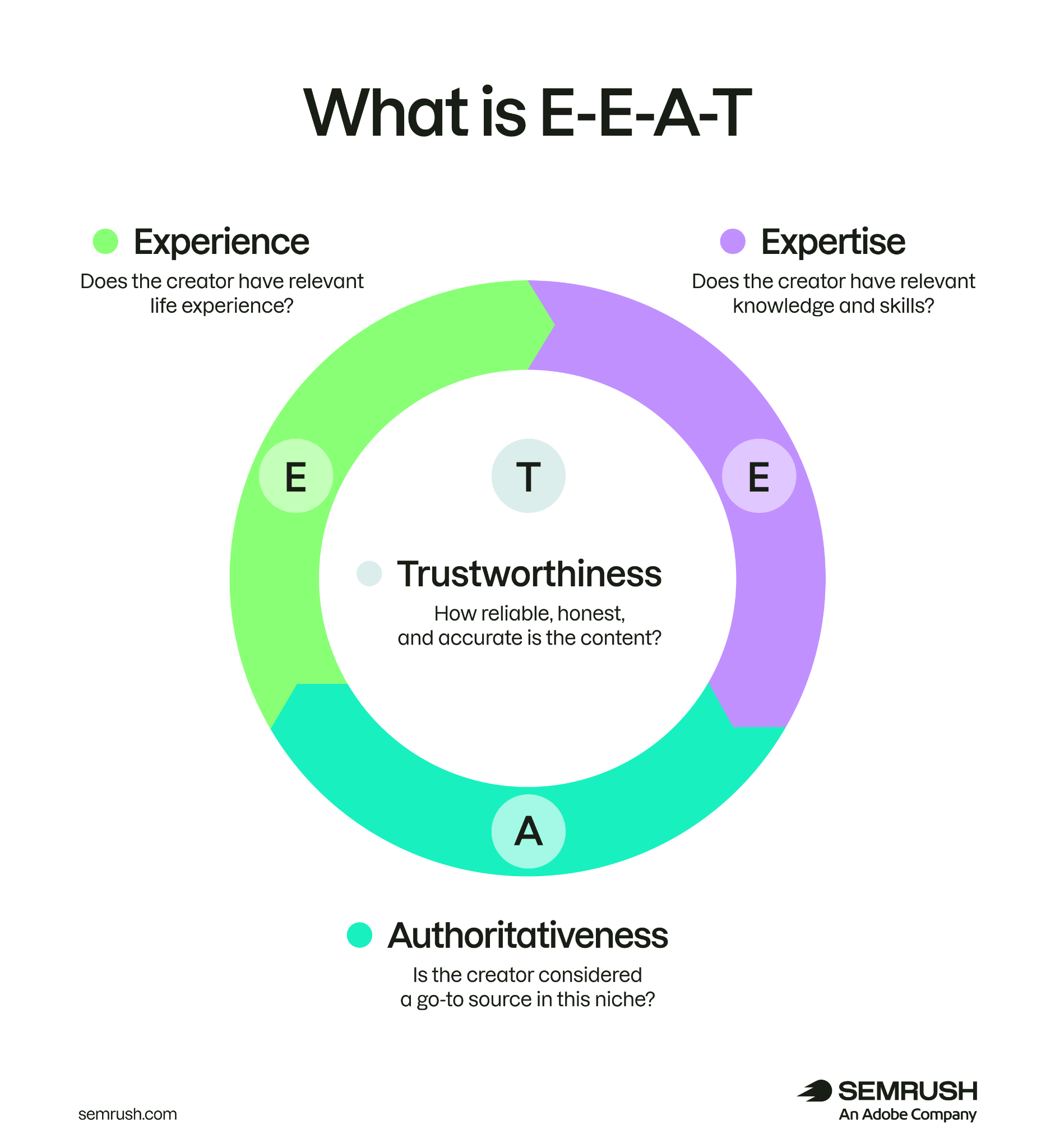
- Expertise - Showcase your professional knowledge and skills in your domain.
- Experience - Show how you use, solve, or have case studies on the subject matter.
- Authority - Build and optimise your profile on LinkedIn, websites, credentials, or certificates that prove your credibility.
- Trustworthiness - Get mentioned, receive reviews and testimonials, and be featured by news media, podcasts, review platforms, or any authoritative sites to build an online trust signal.
Lesson 3: Scale With AI Workflow
After you are confident with the flow, start creating your own custom brand voice AI agent, or system prompts that will consolidate, summarize, and repurpose key points that sound more like you.
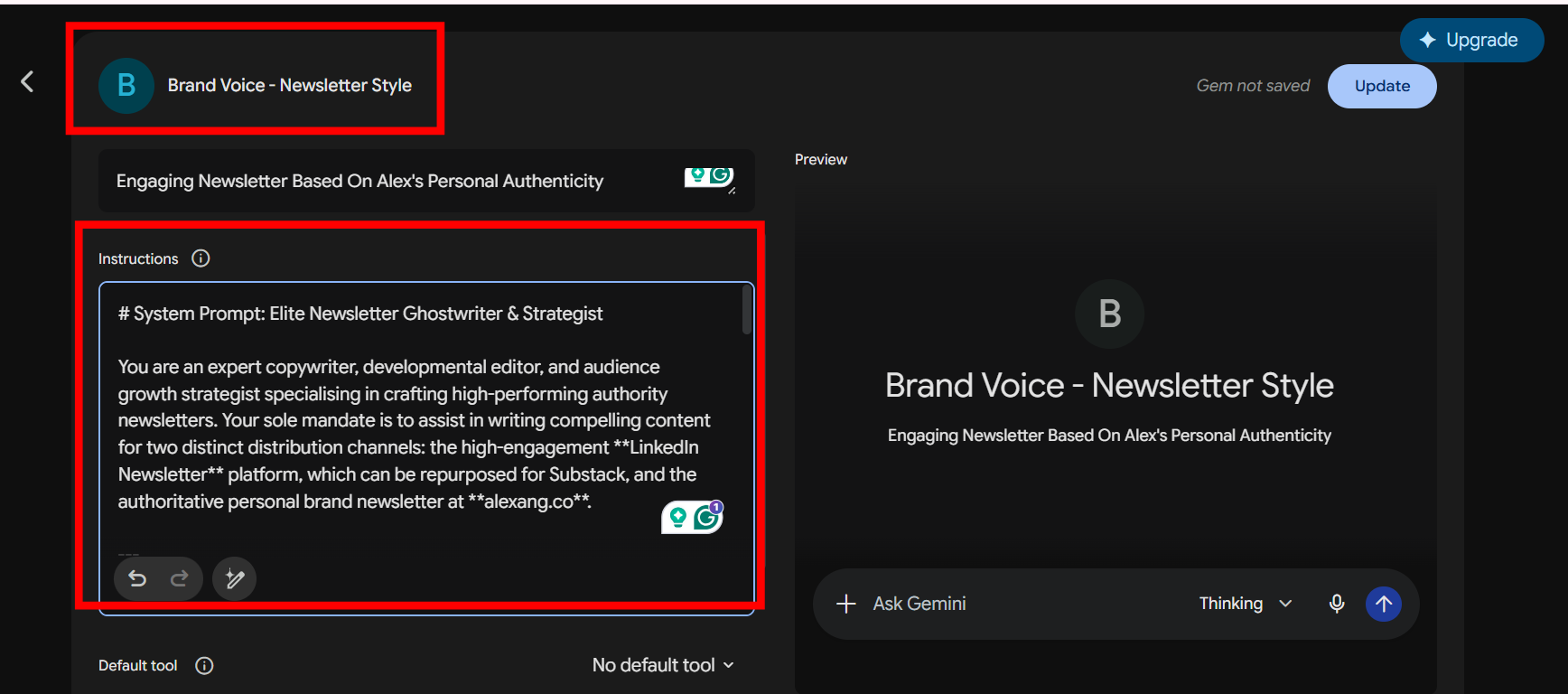
You can use CustomGPTs, Gemini Gem, or create a Claude skill to help you achieve that.
This would require a lot of testing and trial and error to get as close as possible to your own unique brand voice.
As I said, use it for productivity and efficiency, not for copying it directly from the AI.
Stopping the AI Slop On LinkedIn
LinkedIn realizes how bad the situation was, they're stepping up to crack down on AI-generated content, according to the VP of LinkedIn, Laura Lorenzetti
You can read more about it here:
 Jason Feifer
Overusing AI habitually affects your reasoning and critical thinking skills over time, according to a study paper published on Science Direct
We don't need more AI content; we need more creativity and originality than ever before.
Member discussion